

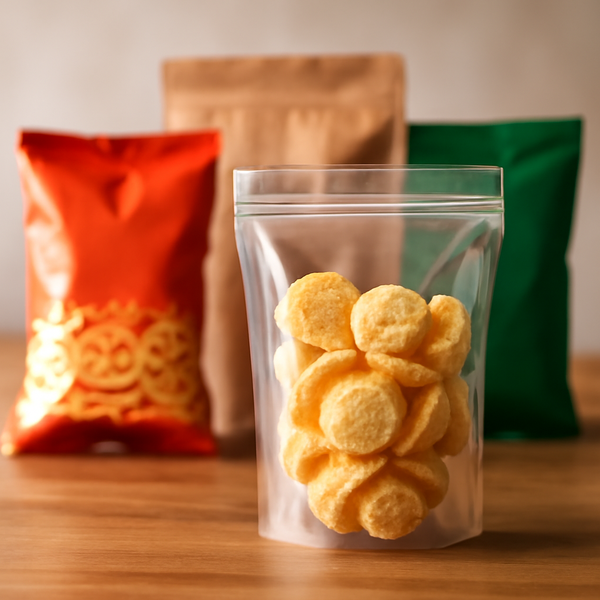
Discover the advantages of partnering with flexible food packaging providers to elevate your product's presentation and extend its shelf life. In today's competitive food industry, the right packaging is paramount for attracting consumers and maintaining product integrity from production to consumption. Flexible packaging solutions offer unparalleled versatility, allowing for innovative designs that capture attention on crowded shelves. Beyond aesthetics, these advanced materials provide superior barrier properties against moisture, oxygen, and light, significantly reducing spoilage and preserving the freshness and flavor of your food items. This strategic investment in quality packaging directly translates to reduced waste, increased customer satisfaction, and a stronger brand reputation in the marketplace.
The Science Behind Flexible Food Packaging Excellence
Flexible food packaging is not merely about aesthetics; it's deeply rooted in material science and engineering to provide optimal protection for a vast array of food products. The selection of materials plays a critical role, with common choices including various films like polyethylene (PE), polypropylene (PP), polyester (PET), and specialized materials such as aluminum foil and various laminates. Each material possesses unique barrier properties. For instance, PET offers excellent clarity and printability, making it ideal for visually appealing packaging, while aluminum foil provides an exceptional barrier against oxygen and light, crucial for products sensitive to degradation. Polyethylene, on the other hand, is prized for its excellent moisture barrier properties and its versatility in forming strong seals. Laminations combine multiple layers of these materials to leverage the strengths of each, creating a composite structure that offers superior protection. For instance, a common laminate might combine a PET layer for printability and strength, an aluminum foil layer for gas and light barrier, and a PE layer for heat sealing and moisture resistance. The specific combination is tailored to the product's needs, considering factors like its sensitivity to oxygen, moisture, light, and its required shelf life. Advanced printing techniques also enhance the functionality, with special inks and coatings that can further improve barrier properties or add features like anti-fog capabilities for clear window packaging, ensuring consumers can always see the quality of the product within.
Innovations in Sustainable Flexible Food Packaging
The drive towards sustainability has significantly impacted the flexible food packaging industry, pushing for innovative solutions that minimize environmental impact without compromising performance. Manufacturers are increasingly exploring and adopting biodegradable and compostable materials derived from plant-based sources like corn starch, sugarcane, and cellulose. These materials offer a promising alternative to traditional petroleum-based plastics, breaking down naturally under specific conditions. Recycled content is another growing area, with advancements in recycling technologies enabling the incorporation of post-consumer recycled (PCR) materials into packaging films. This not only reduces the demand for virgin plastic but also contributes to a circular economy. Furthermore, the focus is on reducing the overall amount of material used through lightweighting initiatives, where thinner yet equally strong films are developed. Monomaterial packaging, consisting of a single type of plastic, is gaining traction as it simplifies the recycling process compared to multi-layer laminates which are often difficult to separate and recycle. Research and development are also concentrated on bio-based polymers that offer performance comparable to conventional plastics, along with improved end-of-life options. Collaborations between packaging converters, material suppliers, and brands are crucial in driving these innovations forward, ensuring that sustainable solutions are not only environmentally responsible but also economically viable and effective in protecting food products.
Customization and Branding Opportunities with Flexible Packaging
Flexible packaging provides an exceptional canvas for brand storytelling and consumer engagement, offering a level of customization that rigid packaging often cannot match. High-definition printing capabilities allow for vibrant graphics, intricate designs, and detailed product information, making packaging a powerful marketing tool. Features like resealable zippers, stand-up pouches, spouts, and custom shapes can significantly enhance user convenience and product appeal. These elements not only differentiate a brand on the shelf but also contribute to a positive unboxing experience. With advancements in printing technology, brands can incorporate advanced security features, such as holograms or unique serializations, to combat counterfeiting and ensure product authenticity. Furthermore, the tactile qualities of different film finishes, such as matte or glossy textures, can add a premium feel to the packaging, reinforcing brand perception. Digital printing technologies are enabling shorter run lengths and personalized packaging options, allowing brands to cater to niche markets or create limited-edition promotional items. The ability to experiment with various material combinations and structural designs means that flexible packaging can be precisely engineered to meet both the functional requirements of the product and the aesthetic aspirations of the brand, creating a holistic and impactful consumer touchpoint.
Choosing the Right Flexible Food Packaging Provider
Selecting the right flexible food packaging provider is a strategic decision that can profoundly impact your product's success. Beyond merely offering packaging materials, an ideal partner will possess deep expertise in material science, food safety regulations, and printing technologies. Look for providers with a proven track record in your specific food category, demonstrating their understanding of unique product requirements and market trends. Certifications such as ISO, BRC, or SQF are indicators of a commitment to quality and safety standards. Communication and collaboration are key; a good provider will work closely with your team to understand your brand vision, product protection needs, and sustainability goals. They should be able to offer a range of material options and customization possibilities, guiding you through the selection process to find the most effective and cost-efficient solution. Evaluate their production capabilities, lead times, and commitment to innovation. Consider their approach to sustainability and whether their offerings align with your company's environmental objectives. A comprehensive site audit or sample testing can further validate their capabilities and product quality. Ultimately, the best provider will act as an extension of your team, offering tailored solutions and reliable support to ensure your product stands out and maintains its integrity from production to the consumer's hands.
The Impact of Flexible Packaging on Shelf Life and Food Safety
The primary function of flexible food packaging extends beyond mere containment; it is intrinsically linked to extending the shelf life of food products and ensuring their safety for consumption. Modern flexible packaging materials are engineered with advanced barrier properties that meticulously control the exchange of gases, moisture, and light between the product and its external environment. For perishable goods, this means creating an effective shield against oxygen, a key culprit in spoilage and oxidative degradation that can lead to off-flavors, color changes, and nutrient loss. Similarly, controlling moisture vapor transmission is critical; some products require protection from moisture ingress to prevent sogginess or microbial growth, while others need to retain their internal moisture to prevent drying out. The integrity of the seal is equally paramount, as even microscopic breaches can compromise the entire protective system. Providers who employ sophisticated sealing technologies and rigorous quality control during the manufacturing process ensure that these barriers remain intact throughout the supply chain, from transit and storage to retail display. Furthermore, many flexible packaging solutions incorporate features that enhance food safety, such as tamper-evident seals that provide clear visual cues if the package has been opened, thereby preventing adulteration and building consumer trust. Anti-microbial additives or specialized coatings can also be integrated into the packaging material itself, offering an additional layer of protection against spoilage organisms. The careful selection and implementation of these advanced packaging techniques directly contribute to reducing food waste, enhancing product quality, and safeguarding public health.