

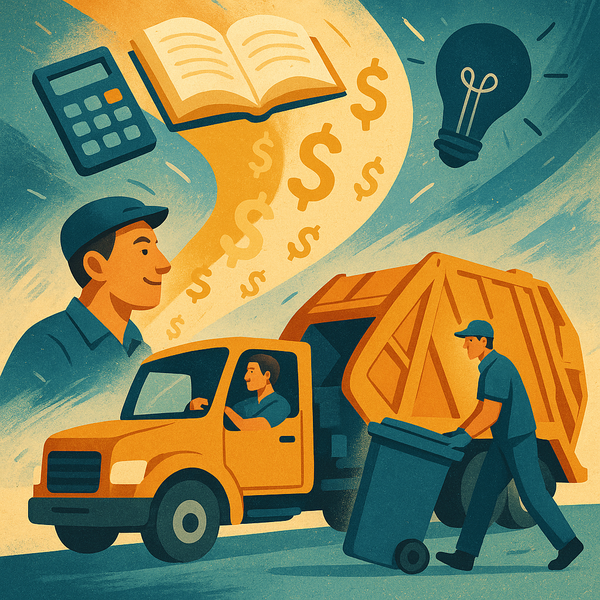
Discover how waste collection services can be more than just a job; it can be a surprisingly profitable venture for earning extra income. In today's economy, finding flexible and rewarding side hustles is paramount. This guide delves into the practicalities and potential earnings associated with offering waste collection services, providing you with the insights needed to turn a necessity into a financial opportunity. Explore how to get started and optimize your earnings.
The Growing Demand for Efficient Waste Collection
The demand for reliable and efficient waste collection services is consistently high across residential, commercial, and industrial sectors. As populations grow and businesses expand, the volume of waste generated increases proportionally. This consistent demand creates a stable market for individuals and small businesses looking to enter the waste management industry. Many municipalities and private entities struggle to keep up with the ever-increasing waste streams, leading them to outsource collection services to more agile and specialized providers. This opens up significant opportunities for entrepreneurs who can offer tailored solutions. Factors such as increasing consumerism, stricter environmental regulations, and a greater focus on recycling and waste diversion further amplify the need for specialized collection services. Consider the rise of e-commerce, which has led to a surge in packaging waste, or the growing awareness around proper disposal of electronic waste, all requiring dedicated collection efforts. By understanding these market drivers, aspiring entrepreneurs can position themselves to capitalize on these evolving needs, offering services that are not only essential but also increasingly specialized and therefore more valuable.
Getting Started in Waste Collection: Essential Steps and Considerations
Embarking on a waste collection service venture requires careful planning and adherence to regulations. The initial investment might seem daunting, but scalable business models can mitigate this. Begin by researching local and state regulations governing waste disposal and transportation. Obtaining the necessary licenses and permits is crucial for legal operation and can vary significantly by region. Identifying your target market – whether it's residential cleanouts, commercial recycling, or specialized waste disposal – will help tailor your services and marketing efforts. Acquiring appropriate equipment, such as a reliable truck or trailer and suitable collection bins, is another key step. Safety should be paramount, so invest in personal protective equipment (PPE) and ensure proper training for yourself and any potential employees. Developing a robust business plan, including pricing strategies and marketing approaches, will set a strong foundation. Consider partnerships with local businesses or community organizations to build your client base. Remember, building trust and a reputation for reliability and professionalism is key to long-term success in this industry.
Maximizing Your Earnings and Expanding Your Service Offerings
To truly maximize your earnings in the waste collection services sector, strategic thinking and continuous improvement are vital. Beyond basic waste pickup, explore opportunities to offer value-added services. This could include specialized recycling collection for specific materials like electronics, hazardous waste, or bulky items. Offering junk removal and property cleanout services can also tap into a lucrative market, especially for real estate agents or individuals moving homes. Efficient route optimization using GPS technology can save significant time and fuel, directly boosting your profit margins. Investing in well-maintained, fuel-efficient vehicles will also contribute to cost savings. Building strong relationships with local recycling centers and disposal facilities can ensure competitive rates for processing waste. Furthermore, leveraging digital marketing and social media can help reach a wider audience and secure more clients. Consider offering subscription-based services for regular commercial clients or tiered pricing for different levels of service. Customer satisfaction is paramount; positive reviews and word-of-mouth referrals are invaluable for business growth in this competitive field. Continuously evaluating your operations and adapting to market demands will be key to sustained profitability and expansion.
Legal and Environmental Compliance: Staying Ahead of the Curve
Navigating the legal and environmental landscape is a critical component of operating a successful waste collection service. Understanding and adhering to all relevant federal, state, and local regulations is non-negotiable. This includes licensing for waste hauling, disposal permits, and adherence to environmental protection laws. Improper disposal or handling of waste can lead to severe penalties, including hefty fines and reputational damage. Familiarize yourself with regulations regarding hazardous waste, universal waste, and the segregation of recyclable materials. Many jurisdictions have specific requirements for reporting waste volumes and types, so maintaining accurate records is essential. Investing in proper training for handling different types of waste, especially those that may be hazardous, is crucial for the safety of yourself, your employees, and the environment. Staying informed about changes in environmental legislation and waste management best practices will ensure your business remains compliant and operates sustainably. Consider consulting with legal professionals or industry experts to ensure you are fully up-to-date with all requirements. Proactive compliance not only avoids legal trouble but also enhances your company's image as a responsible and trustworthy service provider.
The Future of Waste Collection: Innovation and Sustainability
The waste collection industry is undergoing a significant transformation driven by technological advancements and a growing global emphasis on sustainability. Smart waste management systems, utilizing sensors and data analytics, are becoming increasingly prevalent, optimizing collection routes and identifying fill levels of bins to prevent unnecessary pickups. This efficiency translates to reduced operational costs and a smaller environmental footprint. Furthermore, the push towards a circular economy is fostering innovative approaches to waste management, focusing on maximizing resource recovery through advanced recycling technologies and waste-to-energy solutions. As a service provider, embracing these innovations can give you a competitive edge. Consider specializing in collecting specific waste streams that can be effectively processed for recycling or conversion. Educating your clients on proper waste segregation and the benefits of recycling can also add value to your service. Staying abreast of emerging technologies and sustainable practices will not only ensure compliance but also position your waste collection business for long-term growth and profitability in an evolving market. The future belongs to those who can adapt and contribute to a more sustainable planet.